
Ottonomy Bana Rahi Hai Aise Robots Jo Real-World Logistics Ko Automate Kar Rahe Hain
Noida mein production facility se lekar North America, Europe, Middle East aur India tak deployment — Sunnyvale-based deeptech startup Ottonomy autonomous robots ke through logistics ke ek difficult part ko solve karne ki koshish kar rahi hai.
Logistics industry mein automation ka use kaafi time se ho raha hai. Warehouses mein robots packages move karte hain aur factories mein automated systems kaafi common ho chuke hain. Lekin ek part abhi bhi difficult bana hua hai — ek building se doosri building ke beech, elevators ke through aur large campuses ke andar goods ko move karna.
Ottonomy ke CEO Ritukar Vijay isi part ko logistics ka “messy middle” kehte hain.
Isi problem ko solve karne ke idea ke saath Vijay ne apne college mate Hardik Sharma aur former colleagues Pradyot Korupolu aur Ashish Gupta ke saath 2020 mein Ottonomy ki foundation rakhi.
Vijay ke paas robotics aur autonomous driving mein around two decades ka experience hai. Unka focus aise areas par hai jahan labour shortage ke beech autonomous robots ko directly real-world operations mein use kiya ja sake.
COVID ke baad badhi demand
COVID-19 pandemic ke time hospitals, airports aur industrial campuses mein contactless movement ki requirement suddenly increase ho gayi thi.
Medicines, samples, food aur essential supplies ko ek location se doosri location tak move karna tha, lekin har delivery ke liye staff ka use karna practical nahi tha.
Ottonomy ne isi opportunity ko dekha aur autonomous delivery robots develop karne par focus kiya.
Aaj company ka headquarters Sunnyvale, California mein hai aur team mein 60 se zyada people hain. Team ka major part Delhi-NCR region se operate karta hai.
Recently, Ottonomy ne Accenture Tech Next Challenge 2026 mein “Supply Chain and Engineering” category mein win bhi kiya.
Ottonomy ka first robot tha Ottobot
Company ka first major product Ottobot tha. Ye ek fully autonomous delivery robot hai jo indoor aur outdoor environments mein bina human operator ke goods transport kar sakta hai.
Vijay ke according, initial prototypes India mein ek guest house mein build kiye gaye the. Uske baad robots ko basements mein test kiya gaya aur early e-commerce pilots bhi run kiye gaye.
Ottonomy ko pehla commercial deployment Northern Kentucky International Airport mein mila. Yahan Ottobots food, beverages aur travel essentials passengers tak deliver karte the.
Lekin company ne baad mein food delivery se aage move karne ka decision liya.
Isi ke baad Ottonomy 2.0 phase start hua.
Ab robots sirf food deliver nahi karte
New generation Ottobots mein modular cargo compartments, improved accessibility aur tight spaces mein move karne ke liye crab-mode manoeuvrability add ki gayi.
Ab company ke robots food ke saath-saath medicines, lab samples, spare parts aur critical supplies bhi transport karte hain.
Aur yahan Ottonomy ka approach interesting ho jata hai.
Robot sirf ek building ke andar fixed route par travel nahi karta. Ye corridors se move kar sakta hai, elevators ko call kar sakta hai, access-controlled doors se pass kar sakta hai aur phir outdoor environment mein jaakar doosri building tak reach kar sakta hai.
Yaani complete journey ko ek autonomous system handle kar sakta hai.
GPS ke bina robots kaise navigate karte hain?
Indoor locations mein GPS reliable nahi hota. Isliye Ottonomy ke robots sirf GPS par depend nahi karte.
Company High Information Maps ka use karti hai, jisse robot ko surrounding environment ke baare mein detailed context milta hai.
Iske upar Contextual AI ka layer kaam karta hai.
Simple example se samjhein — robot ko sirf ye pata hona enough nahi hai ki uske saamne road clear hai. Usko ye bhi samajhna hota hai ki woh kis type ke environment mein hai.
Ek hospital ya cancer centre mein robot ka behaviour warehouse se different hona chahiye. Speed kitni rakhni hai, kab kisi person ko way dena hai aur kaunsa route choose karna hai — ye decisions environment ke according change ho sakte hain.
Ottonomy ka Contextual AI isi behaviour ko handle karta hai.
Company ka focus sirf robot demo par nahi hai
Ottonomy ka goal kisi controlled environment mein robot ko successfully operate karke dikhana nahi hai.
Company chahti hai ki robots unattended multi-stop, indoor-to-outdoor logistics ko real-world conditions mein handle karein.
Saath hi, goods ke movement ke dauran secure chain of custody maintain karna bhi important part hai.
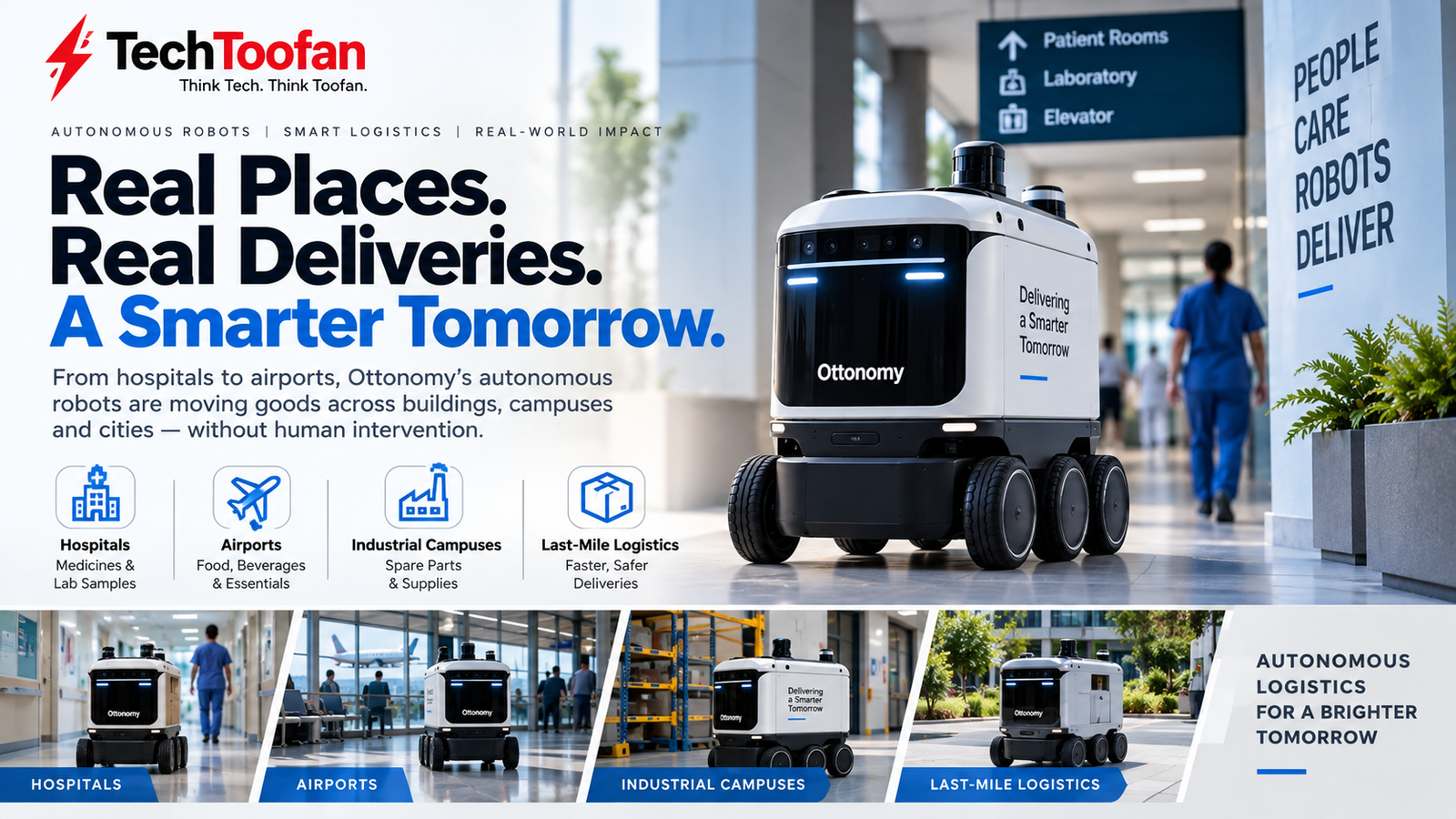
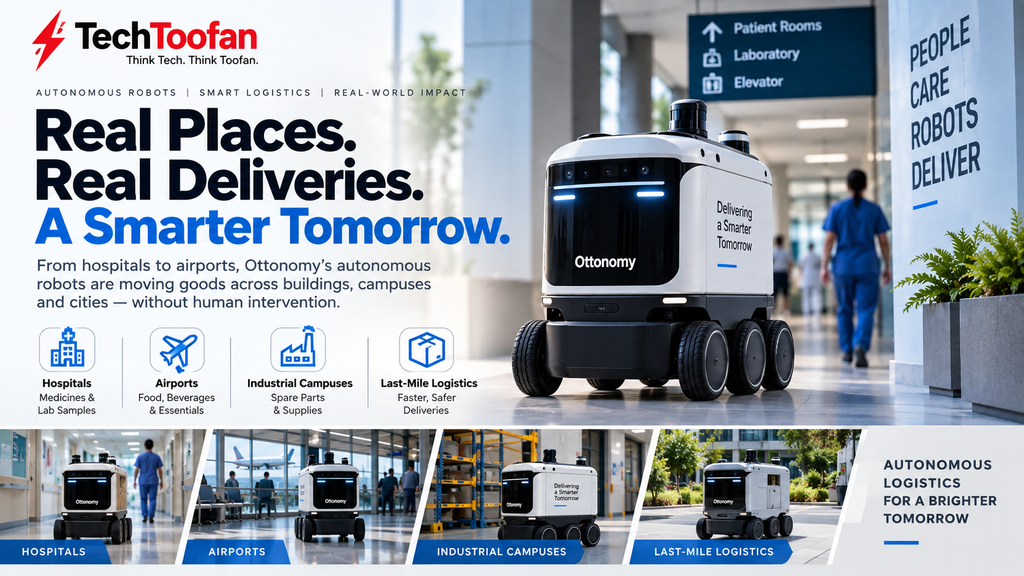
Currently Ottonomy ke around 15 customers hain, jo healthcare, industrial campuses, airports aur last-mile logistics sectors mein operate karte hain.
In customers mein US-based hospital Wellstar Kennestone bhi hai. Yahan Ottobots blood samples, vaccines aur other clinical samples ko different buildings ke beech transport karte hain.
Company ke customers mein multinational company Sodexo bhi included hai.
Customers ke liye 4 Ottobot models
Ottonomy currently different requirements ke liye four products offer karti hai:
Ottobot 2.0
Ottobot M
Ottobot V
Ottobot X
Company ka business model bhi traditional robot sales se thoda different hai.
Customers robots ko Robots-as-a-Service (RaaS) subscription ke through use karte hain. Normally contracts one se five years ke hote hain.
Subscription mein hardware, software, fleet orchestration platform aur ongoing support included hota hai.
Iska benefit ye hai ki customer ko starting mein robots purchase karne ke liye huge upfront capital invest nahi karna padta.
Pricing deployment ki requirements ke according customise hoti hai.
Ottumn.AI poori operation ko manage karta hai
Robots ke alawa Ottonomy ka ek aur important technology platform hai — Ottumn.AI.
Company ise ek intelligence aur orchestration layer ke roop mein position karti hai jo ek complete site ke autonomous operations ko manage kar sakta hai.
Ottumn.AI edge aur cloud computing ko neurosymbolic AI architecture ke saath combine karta hai.
Simple terms mein, system robot ki perception ko facility ke operational rules ke saath connect karta hai.
Ek aur interesting feature hai interoperability.
Customers existing robots aur systems ko APIs ke through Ottumn.AI ke saath integrate kar sakte hain. Iska matlab company ko har existing system ko replace karne ki zarurat nahi padti.
Ek small pilot se start karke organisation gradually campus-wide autonomous logistics network tak scale kar sakti hai.
Ottonomy ka focus Physical AI par
Robotics industry mein currently humanoid robots kaafi attention le rahe hain. Sidewalk delivery robots bhi rapidly develop ho rahe hain.
Ottonomy ka focus thoda different hai.
Company ka maanna hai ki Physical AI ka practical use complex, human-centric environments mein bhi ho sakta hai — especially healthcare aur industrial facilities mein.
Healthcare Ottonomy ke key target sectors mein se ek hai. Hospitals mein staff workload aur labour shortage ke wajah se internal logistics ek operational challenge ban sakti hai.
Pharmaceuticals, aerospace aur manufacturing jaise industrial sectors bhi company ke target markets hain.
India Ottonomy ke liye important hai
Ottonomy ka production facility Noida mein hai, aur company ab US mein ek new manufacturing facility ke through production capacity increase karne par bhi kaam kar rahi hai.
Vijay ke according, India ab robotics companies ke liye sirf engineering talent ka hub nahi raha. Companies yahan manufacturing, IP development aur large-scale deployment bhi kar rahi hain.
RaaS model ko India mein traditionally adoption ke liye thoda resistance mila hai, lekin airports aur large enterprise campuses se demand increase hone ke saath situation change ho rahi hai.
Ottonomy ne $8.2 million raise kiye
Last six years mein Ottonomy ne total $8.2 million funding raise ki hai.
Company ke investors mein pi Ventures, CoreNest, Connetic Ventures, Wellstar Catalyst, Enrission India Capital aur ADR Ventures shamil hain.
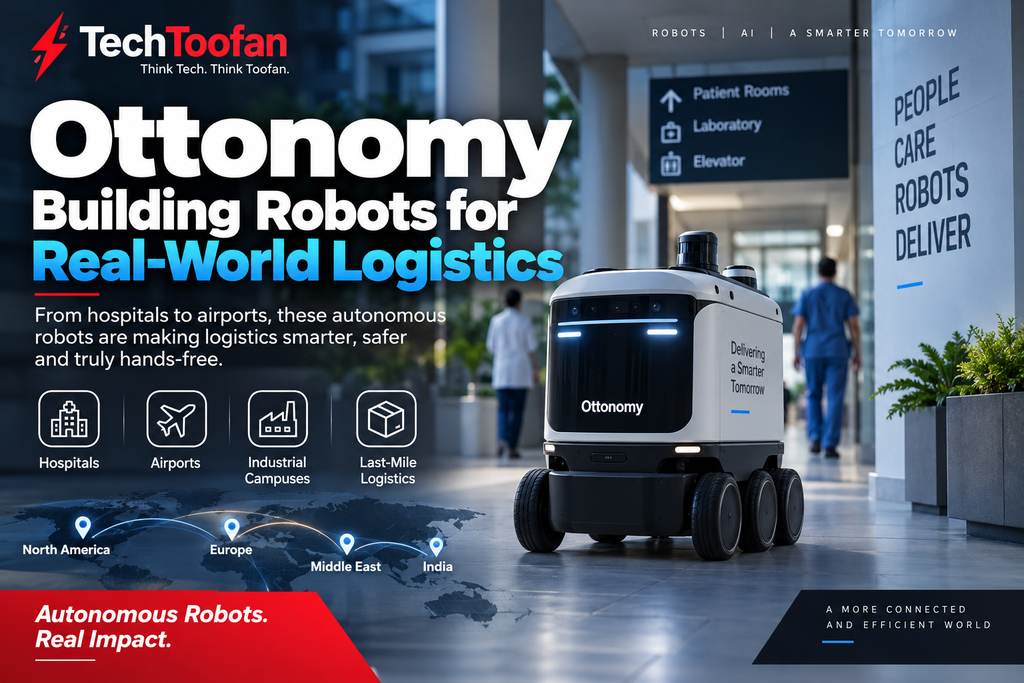
Currently Ottonomy ke robots North America, Europe, Middle East aur India mein deployed hain.
US company ka largest market hai, lekin Europe aur India mein bhi deployments expand kiye ja rahe hain.
Aage company ka kya plan hai?
Ottonomy ka next focus healthcare aur industrial environments mein Ottobot deployments ko expand karna hai.
Company Ottumn.AI ko bhi autonomous operations ke central orchestration platform ke roop mein develop karna chahti hai.
Future mein different types ke robots aur drones ko ek single system ke through manage karna bhi company ke plans ka part hai.
Market mein Ottonomy ka competition Starship Technologies aur Serve Robotics jaise players se hai.
Company ke according, uska major difference ye hai ki Ottobots indoor aur outdoor environment ke beech complete journey ko ek integrated system ke through handle karne ke liye designed hain.
Ottonomy ke paas 29 patent filings mein se 24 granted patents hain. Company ek reinforcement-learning pipeline par bhi kaam kar rahi hai, jiske through robots ki real-world navigation ko continuously improve kiya ja sake.
Bottom Line
Robotics ki duniya mein jab bhi AI-powered machines ki baat hoti hai, discussion mostly humanoid robots ya autonomous vehicles ke around hota hai.
Ottonomy ka approach thoda different hai.
Company un everyday logistics problems ko automate karna chahti hai jo hospitals, airports aur industrial campuses mein regularly face hoti hain — jaise medicines, samples, spare parts aur supplies ko ek building se doosri building tak safely move karna.
Noida mein production facility, global deployments aur Physical AI par focus ke saath Ottonomy robotics ko ek practical direction mein le jaane ki koshish kar rahi hai — jahan robots sirf demo ke liye nahi, balki real-world operations ka part ban sakein.
TechToofan — Think Tech. Think Toofan.